The Gut, the Brain and the Clock
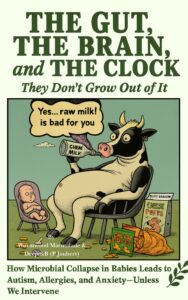
The Gut, the Brain and the Clock
Helping parents understand what happens when a child’s microbiome is disrupted — and how to support its recovery
Antibiotics can save lives. But they can also disrupt the community of microbes living in a child’s gut — an ecosystem that plays a far greater role in health than we once understood.
For parents, the question is not simply whether an antibiotic has cleared an infection. It is also what happens afterwards, as the gut microbiome begins to recover.
Which microbes return? Which functions have been disrupted? Is the intestinal environment supporting recovery, or making it more difficult?
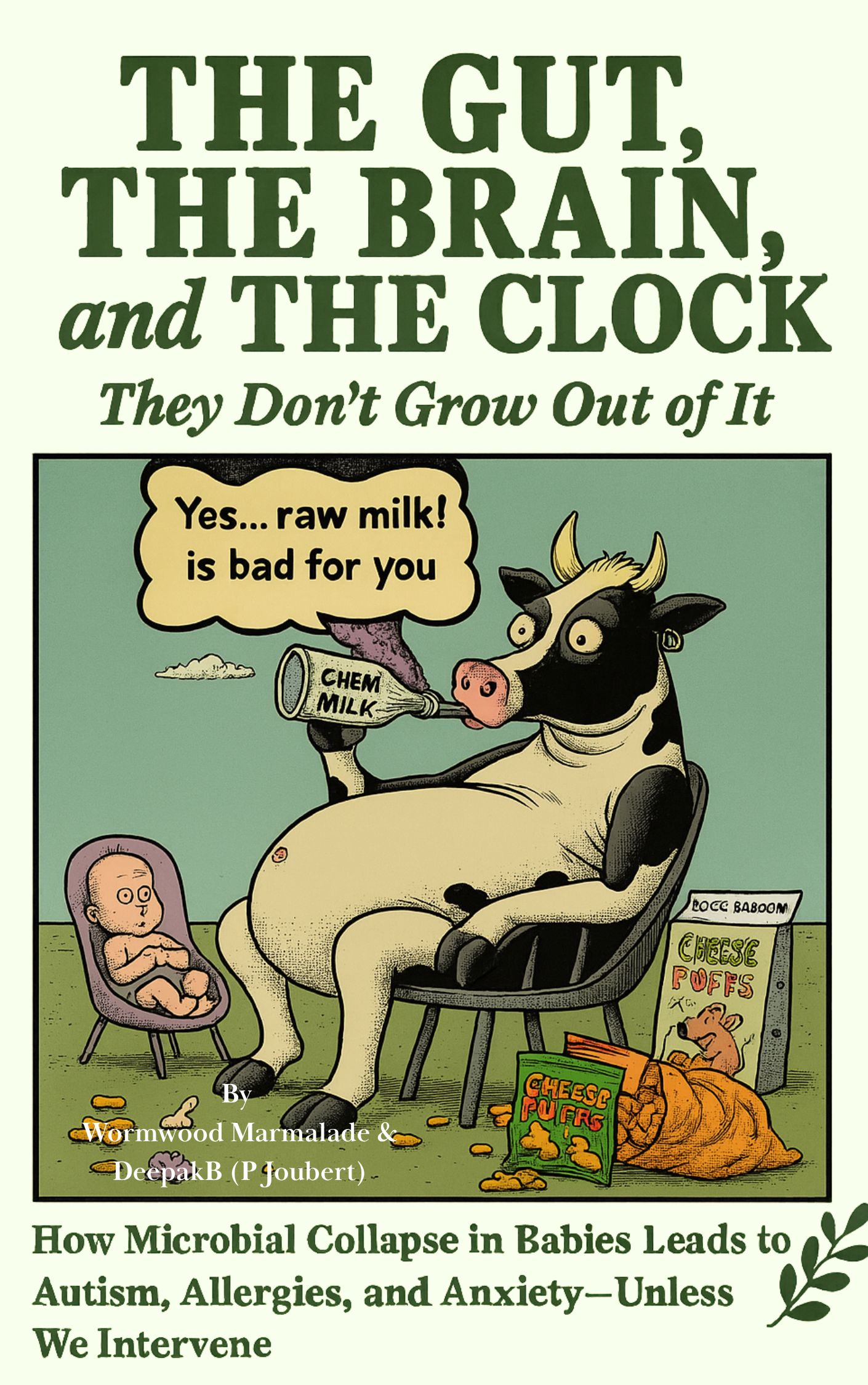
These are the questions behind The Gut, the Brain and the Clock.
The gut is more than a digestive system
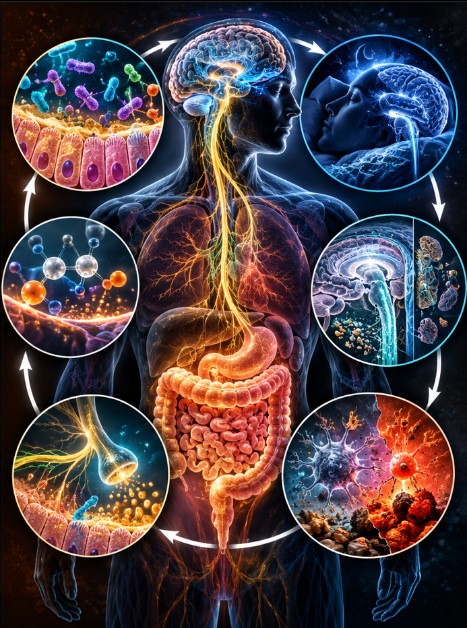
A child’s microbiome is a living community. Its members process components of food, produce metabolites such as short-chain fatty acids, interact with the intestinal lining and help educate the developing immune system.
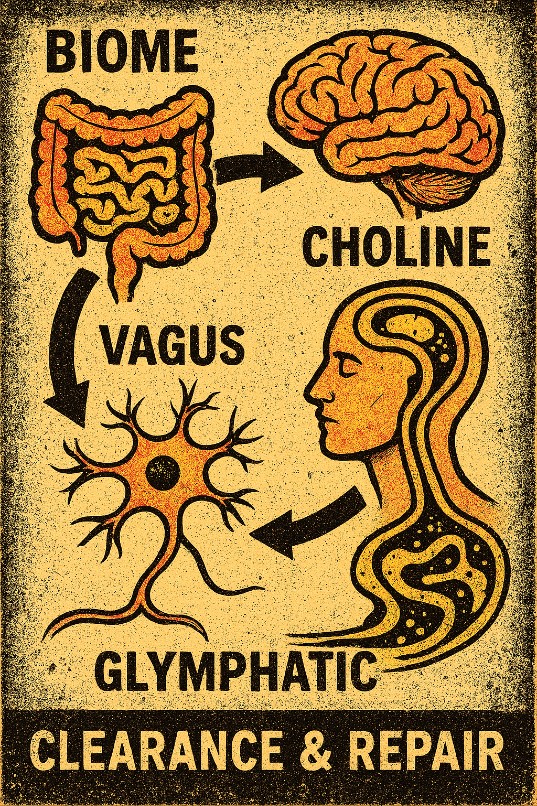
Through these pathways, the gut communicates with other parts of the body, including the nervous system. When the microbial ecosystem is disrupted, the consequences may extend beyond temporary digestive symptoms.
That doesn’t mean every allergy, sleep disturbance, behavioural difficulty or developmental condition begins in the gut. It means the microbiome deserves to be considered as part of the wider biological picture.
Rebuilding is about more than adding a probiotic
One of the central ideas explored in this book is the difference between introducing microbes and creating an environment in which beneficial microbial communities can function.
A disrupted microbiome is not simply a list of missing bacteria. It is an ecosystem involving food supply, microbial cooperation, intestinal barrier function, immune signalling and the production and use of important metabolites.
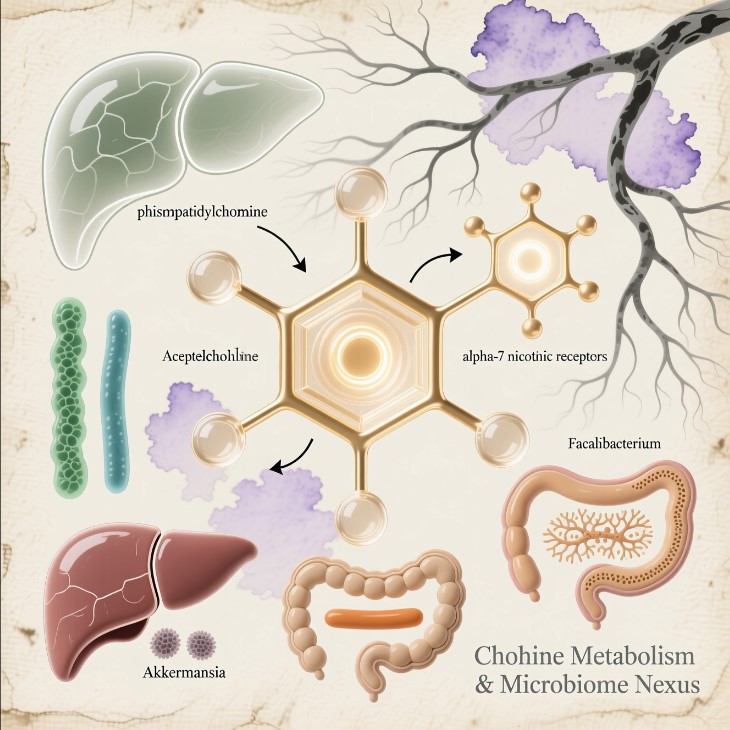
The book explores the roles of organisms such as Akkermansia muciniphila, Faecalibacterium prausnitzii and Roseburia species — microbes associated with mucus-layer dynamics, butyrate production and intestinal health.
We call this central group the Love Trio.
The broader question is how to support the terrain in which these and other beneficial organisms live, rather than assuming that one supplement can repair every consequence of microbial disruption.
Why the clock matters
Childhood is a period of rapid biological development. The microbiome, intestinal barrier, immune system and brain develop in interaction with nutrition, environment and one another.
Early life therefore matters. But recovery is not reserved for babies, and parents should not interpret a missed developmental window as a lost future. The microbiome remains responsive to many influences throughout life, even though the nature and extent of recovery vary.
The practical starting point is to understand the child’s circumstances, support appropriate nutrition and dietary diversity, and work with a qualified healthcare professional when persistent symptoms or concerns require assessment.
Antibiotics should never be withheld when they are medically necessary. The goal is not to fear treatment, but to understand recovery as part of the bigger picture.
A different way to look at children’s health
The Gut, the Brain and the Clock grew from a simple question: what if we have been looking at too many symptoms separately, while overlooking some of the biological systems connecting them?
This book brings together the microbiome, the developing gut, immune function and gut–brain communication to explore that question. It offers parents a different lens through which to understand microbial health, resilience and recovery.
Because children’s health is not just about treating what goes wrong. It is also about understanding the biological foundations that help them grow, adapt and thrive.
The terrain matters. The connections matter. And understanding them is a place to begin.