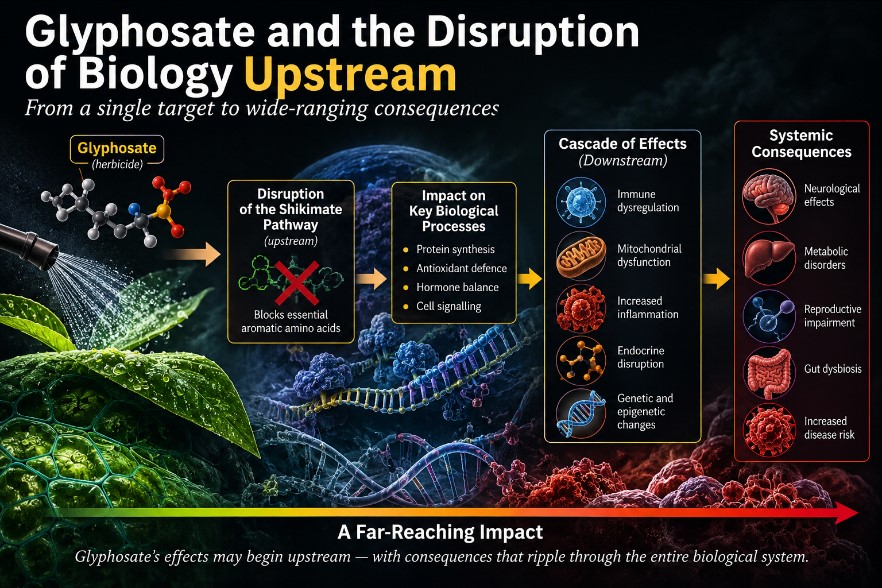
GLYPHOSATE AND THE UPSTREAM BIOLOGY OF COLLAPSE
GLYPHOSATE AND THE UPSTREAM BIOLOGY OF COLLAPSE
From the shikimate pathway to microbial ecology, biochemical bottlenecks and the emergence of self-reinforcing biological states
An investigation into the metabolic consequences of disrupting a foundational biological pathway — and the interconnected systems that depend on it.
1. The starting point: a herbicide aimed at a metabolic gateway
The investigation began with a relatively specific biochemical question: what happens when glyphosate interferes with the shikimate pathway, and what are the downstream consequences?
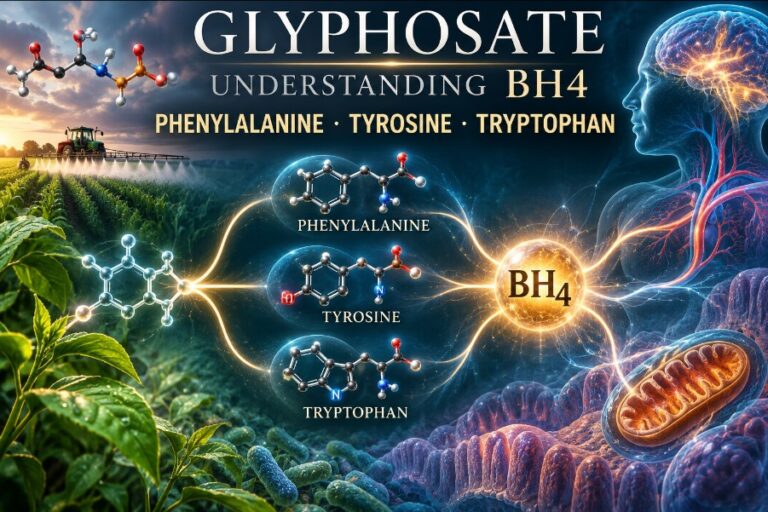
Glyphosate is widely recognised as an inhibitor of 5-enolpyruvylshikimate-3-phosphate synthase (EPSPS), an enzyme operating within the shikimate pathway. This pathway is present in plants, fungi and many bacteria, but absent from mammalian cells. Its importance is substantial: it connects central carbon metabolism to the production of the aromatic amino acids phenylalanine, tyrosine and tryptophan.
EPSPS catalyses the conversion of shikimate-3-phosphate and phosphoenolpyruvate into 5-enolpyruvylshikimate-3-phosphate (EPSP), the immediate precursor to chorismate. Glyphosate competes at the enzyme’s phosphoenolpyruvate-binding site, inhibiting this reaction.
The consequence is not simply the removal of one amino acid from a plant’s metabolism. It is interference at a gateway supplying the precursor from which three major amino-acid branches emerge.
The pathway is therefore upstream of a much wider biological network.
The shikimate pathway: gateway to metabolic diversity describes its role in producing aromatic amino acids and a wide range of secondary metabolites. Research on glyphosate-treated plants has also demonstrated accumulation of shikimate and disruption of aromatic amino-acid synthesis. Plant Science research has documented the pathway’s connection to both primary and secondary plant metabolism.
One important distinction is necessary: glyphosate does not destroy shikimate itself. It inhibits EPSPS downstream of shikimate formation. Shikimate and related intermediates can consequently accumulate while the pathway’s downstream throughput is restricted.
That distinction makes the biological consequence more interesting, not less.
2. What happens to the plant when the pathway is disrupted?
Chorismate is a central branch-point metabolite. From it, plants produce phenylalanine, tyrosine and tryptophan.
These amino acids are required for protein synthesis, but their biological significance extends considerably further.
They provide the precursors for numerous secondary metabolites involved in plant structure, defence, growth, signalling and environmental adaptation.
Phenylalanine feeds into phenylpropanoid metabolism, including the production of lignin, flavonoids, phenolic compounds and other defence-associated molecules. Tyrosine contributes to additional specialised metabolic products. Tryptophan is a precursor for auxin and multiple indole-derived compounds.
The shikimate pathway therefore supplies much more than the building blocks of plant proteins. It supports the biochemical diversity through which plants maintain their structure, respond to stress and interact with their environment.
When EPSPS is inhibited, the consequences can include:
- Reduced downstream production of aromatic amino acids.
- Disrupted phenylpropanoid and flavonoid metabolism.
- Altered lignin and other structural compounds.
- Changes in plant defence chemistry.
- Altered hormone and signalling pathways.
- Disturbances in photosynthesis, oxidative balance and other physiological processes.
These effects have been investigated in glyphosate-sensitive plants and, to varying degrees, in glyphosate-tolerant crops as well.
A review in the Journal of Experimental Botany examined the wider physiological effects of glyphosate and its degradation product aminomethylphosphonic acid (AMPA), including effects extending beyond EPSPS inhibition. It also discussed reported changes in photosynthesis, mineral nutrition and oxidative processes. Alteration of plant physiology by glyphosate and AMPA.
The important implication is that the shikimate pathway is not an isolated manufacturing line. It is an upstream contributor to the plant’s wider metabolic identity.
A plant can remain physically present while its biochemical outputs are altered. The degree of alteration depends on species, exposure, dose, growth conditions and whether the plant possesses glyphosate-resistant EPSPS.
This becomes particularly relevant when considering agriculture as a food-production system.
3. The food chain: a change in biological inputs
Food is not merely a delivery mechanism for calories, protein, fats and minerals. It is also a source of biochemical substrates, plant-derived metabolites and compounds that interact with the intestinal microbial ecosystem.
The biological value of a food therefore cannot be understood entirely through its gross nutrient composition.
A plant contributes amino acids, fibre, polyphenols, flavonoids, lignin-related compounds, indoles and numerous other molecules. These substances can influence digestion, microbial metabolism, epithelial signalling and host physiology.
If agricultural exposure changes the metabolic composition of a plant, it raises an important question:
Are we evaluating food only by the nutrients we can measure, while overlooking changes in the wider biochemical diversity that food supplies?
This is not an assertion that every glyphosate-treated crop becomes nutritionally deficient. Nor does EPSPS inhibition automatically mean that a harvested crop has lost a fixed proportion of its nutrients. The effects vary considerably, particularly in glyphosate-tolerant crops.
It is, however, a reason to investigate food quality at a deeper metabolic level.
Amino-acid content alone does not describe the full output of the shikimate pathway. Nor does a standard nutritional panel capture the entire secondary-metabolite profile of a plant.
The agricultural question is consequently larger than whether a crop survives herbicide application or meets conventional compositional standards.
It concerns the biological complexity of the food entering the ecosystem.
4. The second target: the microbial ecosystem
The next major connection emerged when the investigation moved from plant metabolism to microbial metabolism.
The shikimate pathway is not exclusive to plants. Many bacteria also use EPSPS and the wider pathway to synthesise aromatic amino acids.
This creates an important distinction between mammalian cells and the microorganisms living within the mammalian body.
Human cells do not possess the shikimate pathway. Many intestinal microorganisms do.
The absence of EPSPS from human cells therefore does not mean that glyphosate has no biologically relevant microbial target within the gastrointestinal environment.
Glyphosate can inhibit susceptible bacterial EPSPS enzymes, although sensitivity differs between organisms. Microbial species vary in their EPSPS structure, resistance and capacity to obtain aromatic amino acids from their surroundings. This means that exposure could exert selective pressure rather than affecting every microbial population equally.
The potential consequence is a change in microbial competition, community composition and metabolic output.
This matters because the microbiome is not simply a collection of organisms assisting digestion.
It is a metabolically active ecosystem that produces, transforms and regulates compounds used by the host. Its outputs participate in epithelial maintenance, immune signalling, neurotransmitter-related metabolism, bile-acid transformation, redox regulation and communication between the intestinal environment and distant tissues.
A 2023 controlled mouse study reported that glyphosate exposure at doses approximating the US acceptable daily intake altered gut microbial composition and was associated with increased pro-inflammatory CD4-positive IL-17A-positive T cells and intestinal lipocalin-2. Low-dose glyphosate exposure alters gut microbiota composition and modulates gut homeostasis.
A 2026 critical review concluded that controlled rodent studies provide evidence that glyphosate and some glyphosate-based formulations can perturb the mammalian gut microbiome under defined experimental conditions. It also emphasised that the human evidence remains limited and that dose, formulation and exposure conditions matter. Effects of Glyphosate and Glyphosate-Based Herbicides on the Mammalian Gut Microbiome.
The implication is not that every dietary residue produces the same effect in every person. It is that the microbial ecosystem contains a biologically plausible target that cannot be dismissed simply because mammalian cells lack EPSPS.
This is where the investigation changed direction.
The question was no longer confined to what glyphosate does to a plant. It became a question about what happens when the biological ecosystem responsible for transforming food and communicating with the host is itself exposed to a compound that targets a metabolic pathway shared by many microorganisms.
5. The microbiome is an operating system, not a digestive accessory
The host and its microbial ecosystem are engaged in continuous biochemical exchange.
The host supplies substrates, mucus, bile acids, oxygen gradients, immune conditions and physical habitat. Microorganisms transform those inputs and return metabolites that influence host physiology.
The relationship is bidirectional.
A change in host conditions alters which microbial functions are favoured. A change in microbial functions alters the metabolites available to the host. Those metabolites can then modify the conditions under which the microbial ecosystem operates.
This creates feedback rather than a one-way relationship.
Several microbial functions are particularly relevant:
Short-chain fatty-acid production. Microbial fermentation of dietary substrates produces acetate, propionate and butyrate. These metabolites contribute to epithelial energy metabolism, barrier regulation and immune signalling.
Tryptophan transformation. Microorganisms convert dietary tryptophan into indoles, tryptamine and other metabolites that interact with host receptors and immune pathways.
Bile-acid transformation. Microbial deconjugation and modification of bile acids influence the pool of bile-acid signalling molecules available to the host.
Polyamine metabolism. Microbial and host pathways contribute to the production and transformation of polyamines such as putrescine, spermidine and spermine, which participate in cellular growth, autophagy and tissue maintenance.
Nitrate and nitrogen metabolism. Microbial activity contributes to nitrate reduction and the wider chemistry of nitric oxide-related signalling.
Sulfur metabolism. Microbial communities participate in sulfur transformations, including the production and utilisation of sulfide and other sulfur-containing compounds.
These functions are not independent. They share substrates, influence one another and operate within a changing ecological environment.
The health of the microbiome is therefore not adequately represented by the presence or absence of a single bacterial species.
In our investigation, we repeatedly returned to three mucus-associated bacterial groups: Akkermansia muciniphila, Faecalibacterium prausnitzii and Roseburia species.
The Trio is not proposed as the complete microbiome or as the only organisms responsible for intestinal health. Its value in the developing model is as a measurable indicator of a wider functional condition: mucus-associated microbial ecology, fermentation capacity and the integrity of host–microbe communication.
The question is not whether these three organisms explain everything. It is whether their depletion and eventual return can help indicate the condition of a much larger microbial system.
6. The first major beacon: AhR — the meeting point of microbial metabolism and host regulation
One of the most significant discoveries in the pathway investigation was the repeated appearance of the aryl hydrocarbon receptor (AhR).
AhR is a ligand-activated transcription factor. It responds to a variety of endogenous, dietary, microbial and environmental molecules, translating chemical signals into changes in gene expression.
It is particularly interesting because it provides a direct molecular route through which microbial metabolism can influence host immune and epithelial regulation.
Tryptophan is central to this relationship.
The amino acid can enter several competing metabolic routes:
- Host serotonin synthesis.
- Host kynurenine metabolism.
- Microbial indole production.
- Microbial tryptamine production.
- Other microbial and host-derived metabolic branches.
Microbial tryptophan metabolites, including indole derivatives, can act as AhR ligands. AhR signalling can influence epithelial integrity, immune-cell differentiation, interleukin-22 production and mucosal homeostasis.
This means that microbial access to tryptophan is not simply a matter of bacterial nutrition. It can determine the availability of signalling molecules that participate in host regulation.
The relationship also runs in the opposite direction.
Inflammation can increase host tryptophan metabolism through enzymes such as indoleamine 2,3-dioxygenase (IDO), shifting substrate allocation towards kynurenine. Kynurenine and some of its downstream metabolites can themselves interact with AhR.
The receptor therefore sits at an intersection between microbial tryptophan metabolism and host inflammatory state.
The significance is considerable: the same receptor can receive signals from both sides of the host–microbe relationship.
This is a biochemical bridge between the microbial ecosystem and the host’s regulatory machinery.
Research reviews have described microbial tryptophan catabolites as important mediators of host–microbial communication, including their interactions with AhR and intestinal barrier function. Microbial tryptophan catabolites in health and disease.
AhR signalling is ligand-dependent and context-dependent; different ligands, concentrations and durations of activation can produce different outcomes. It is not a simple on/off switch. That complexity is precisely why the quality and composition of microbial metabolites matter.
The emerging question is whether loss of particular microbial functions changes the host’s regulatory ligand environment sufficiently to favour a persistent inflammatory state.
This is one of the most important areas for further investigation.
7. The recurring bottleneck: shared dependencies across apparently separate pathways
The most striking pattern emerged when the major biochemical pathways were examined together.
Initially, the investigation followed catecholamine metabolism. It then expanded into serotonin, kynurenine, nitric oxide, glutathione, methylation, thyroid metabolism, mitochondrial respiration, bile-acid metabolism and polyamine synthesis.
The same substrates, cofactors and regulatory requirements repeatedly appeared.
The significance is that these pathways are often studied separately because they produce different molecules and serve different physiological functions. Yet their operation depends on overlapping biochemical resources.
A shortage, imbalance or impaired regeneration of one shared dependency can therefore affect several pathways simultaneously.
The following table summarises the recurring nodes identified during the investigation.
| Shared dependency | Major biochemical roles | Why it matters across systems |
| NADPH | Glutathione recycling, nitric oxide synthase activity, reductive biosynthesis and redox maintenance | Connects antioxidant regeneration, vascular signalling and cellular metabolism |
| BH4 (tetrahydrobiopterin) | Phenylalanine, tyrosine and tryptophan hydroxylation; nitric oxide synthases | Links aromatic amino-acid metabolism, neurotransmitter synthesis and nitric oxide production |
| Iron and haem | Hydroxylases, nitric oxide synthases, thyroid peroxidase, respiratory enzymes | Connects neurotransmitter pathways, thyroid chemistry, oxygen handling and mitochondrial function |
| Iron–sulfur clusters (Fe–S) | Electron transport, aconitase, ferrochelatase and numerous metabolic enzymes | Provides essential infrastructure for mitochondrial and cellular metabolism |
| Glutathione | Redox buffering, peroxide handling and cellular protection | Links cysteine availability, oxidative stress and mitochondrial function |
| Cysteine | Glutathione synthesis, sulfur metabolism, Fe–S assembly and hydrogen sulfide pathways | Connects antioxidant capacity, mitochondrial machinery and sulfur handling |
| Tryptophan | Serotonin, kynurenine, microbial indoles and tryptamine | Links neurotransmission, immune regulation and microbial signalling |
| Arginine | Nitric oxide production, arginase activity and polyamine synthesis | Connects vascular signalling, nitrogen metabolism and cellular growth |
| SAM and SAH | Methylation, catecholamine metabolism through COMT, and polyamine pathways | Connects methyl economy, neurotransmitter metabolism and cellular regulation |
| Folate and B12 | One-carbon metabolism, nucleotide synthesis and methylation | Support methyl-group transfer and cellular replication |
| Vitamin B6 (PLP) | Amino-acid metabolism, decarboxylation and kynurenine pathways | Links neurotransmitter production and amino-acid processing |
| Vitamin B2 | Flavin-dependent redox enzymes | Supports multiple oxidation–reduction reactions |
| Selenium | Glutathione peroxidases and thyroid deiodinases | Connects antioxidant protection and thyroid hormone metabolism |
| CoQ10 | Mitochondrial electron transport | Supports respiratory-chain electron transfer and energy production |
| Bile acids | Lipid absorption and FXR/TGR5 signalling | Link microbial transformations to host metabolic and immune regulation |
The recurring dependencies are the important observation.
For example, NADPH is not simply an antioxidant-related molecule. It supplies reducing power to several different enzyme systems. BH4 is not simply a neurotransmitter cofactor. It is also essential for properly coupled nitric oxide synthase activity. Iron is not simply a nutrient required for haemoglobin. It is embedded in numerous enzymes and mitochondrial structures.
This creates a different way of looking at biological dysfunction.
Instead of asking why five separate pathways are failing, one can ask whether they are experiencing pressure at a shared upstream dependency.
That is the bottleneck question.
8. BH4: a particularly important convergence point
BH4 emerged as one of the strongest biochemical beacons in the investigation.
Tetrahydrobiopterin is required by several aromatic amino-acid hydroxylases:
- Phenylalanine hydroxylase converts phenylalanine into tyrosine.
- Tyrosine hydroxylase converts tyrosine into L-DOPA, upstream of dopamine and other catecholamines.
- Tryptophan hydroxylases convert tryptophan into 5-hydroxytryptophan, upstream of serotonin.
BH4 is also required by nitric oxide synthases.
This places BH4 at a biochemical intersection between amino-acid metabolism, neurotransmitter synthesis and vascular signalling.
Its importance depends not only on how much BH4 is synthesised, but also on how effectively it is maintained and recycled.
BH4 is synthesised from GTP through a multistep pathway involving GTP cyclohydrolase I, 6-pyruvoyltetrahydropterin synthase and sepiapterin reductase. Additional salvage and recycling processes contribute to its availability.
When BH4 is oxidised to dihydrobiopterin (BH2), the balance between BH4 and BH2 becomes important.
Dihydrofolate reductase (DHFR) can regenerate BH4 from BH2. DHFR also has a central role in folate metabolism.
This creates a potentially important intersection between biopterin recycling and one-carbon metabolism.
The most consequential example is nitric oxide synthase uncoupling.
Under appropriate conditions, nitric oxide synthase uses L-arginine, oxygen and BH4 to produce nitric oxide. When BH4 availability is inadequate relative to BH2, the enzyme can become uncoupled and produce superoxide rather than nitric oxide.
The result is a change in the chemical output of the enzyme itself.
Instead of supporting normal nitric oxide signalling, the system can contribute to oxidative stress.
This creates the possibility of a reinforcing cycle: oxidative stress promotes BH4 oxidation, reduced BH4 availability favours NOS uncoupling, and uncoupled NOS generates additional superoxide.
The BH4 system therefore illustrates how a biochemical imbalance can become self-reinforcing.
The synthesis, oxidation and recycling of BH4 are all relevant. Measuring total BH4 alone may not adequately describe its functional availability.
The relationship between BH4, DHFR and nitric oxide synthase has been extensively examined in vascular research. Synthesis and recycling of tetrahydrobiopterin in endothelial function and vascular disease.
9. The second and third beacons: sulfur metabolism and the molybdenum cofactor
The next major finding involved sulfur metabolism.
Cysteine and methionine are not merely amino acids used in protein synthesis. They supply a broad network of biochemical reactions.
Through transsulfuration and related pathways, sulfur-containing amino acids contribute to:
- Glutathione synthesis.
- Hydrogen sulfide production.
- Taurine synthesis.
- Sulfite generation.
- Sulfate production.
- Sulfur transfer reactions.
- Iron–sulfur cluster assembly.
This places sulfur metabolism at the intersection of redox regulation, mitochondrial function and cellular infrastructure.
One particular enzyme became a significant beacon: sulfite oxidase.
Sulfite oxidase catalyses the conversion of sulfite into sulfate. It is located in the mitochondrial intermembrane space and requires a molybdenum-containing cofactor.
The enzyme is important because sulfite is a reactive metabolic intermediate generated during sulfur-amino-acid catabolism.
When sulfite oxidation is severely impaired, sulfite can accumulate and produce substantial biological toxicity, including effects on mitochondrial energy metabolism.
Molybdenum cofactor (Moco) is therefore essential to the operation of this clearance pathway.
The connection is especially interesting because it links dietary and microbial sulfur chemistry to a host mitochondrial enzyme system.
Microorganisms can produce, consume and transform sulfur-containing compounds. The host also generates sulfur intermediates through its own metabolism. The resulting chemical environment is a product of both microbial and host activity.
This does not mean that microbial molybdenum cofactor directly supplies human sulfite oxidase under ordinary conditions. That proposition remains unresolved. The established biochemical point is that host sulfite oxidation depends on Moco, while the wider sulfur environment is influenced by both host and microbial metabolism.
The research question becomes whether changes in microbial sulfur transformations alter the substrate and signalling environment in which host sulfur metabolism operates.
The connection between sulfur metabolism, mitochondrial chemistry and clearance deserves considerably more attention than it typically receives in discussions limited to digestion.
10. The fourth beacon: iron–sulfur clusters and mitochondrial infrastructure
Iron–sulfur clusters are among the most important recurring structures in the biochemical map.
These clusters are small assemblies of iron and inorganic sulfur incorporated into proteins. They support electron transfer, enzyme activity and multiple metabolic processes.
Their assembly begins in mitochondria.
The mitochondrial iron–sulfur cluster machinery includes the cysteine desulfurase NFS1 and the scaffold protein ISCU. NFS1 obtains sulfur from cysteine, which is then incorporated into nascent iron–sulfur clusters. Iron and reducing equivalents are also required.
The clusters are subsequently transferred to proteins that depend on them.
These include components of the mitochondrial respiratory chain and enzymes involved in the citric-acid cycle and other metabolic processes.
The significance extends beyond mitochondria because mitochondrial machinery also supports the production and transfer of sulfur-containing components required for cytosolic iron–sulfur cluster assembly.
In other words, mitochondrial iron–sulfur cluster biogenesis supports a much wider network of cellular functions.
Iron–sulfur clusters also connect with haem biosynthesis. Ferrochelatase, the enzyme that inserts iron into protoporphyrin IX during the final stage of haem synthesis, is itself an iron–sulfur protein.
Haem is required by numerous enzymes, including nitric oxide synthases and components of mitochondrial respiration.
The result is a network in which cysteine-derived sulfur, iron availability, mitochondrial assembly machinery and haem production are interdependent.
This is a particularly important convergence because it connects the sulfur and iron beacons to the BH4/NOS system and mitochondrial energy production.
A disruption in iron availability is not equivalent to a disruption in iron utilisation. A cell may contain iron while still having difficulty incorporating it into the correct molecular structures.
The same principle applies to sulfur: having cysteine available does not guarantee that sulfur transfer, glutathione production and Fe–S assembly are functioning optimally.
The assembly process itself matters.
Research on mitochondrial iron metabolism describes the dependence of cellular Fe–S proteins on mitochondrial assembly machinery, including NFS1 and ISCU. Mitochondria and Iron: Current Questions.
11. The fifth beacon: the broader regulatory role of the microbial ecosystem
The fifth beacon is not a single molecule or enzyme. It is the broader network of microbial metabolism and host sensing.
The investigation repeatedly returned to the same microbial outputs:
- Indole production from tryptophan.
- Short-chain fatty-acid production.
- Bile-acid transformation.
- Polyamine metabolism.
- Sulfur transformations.
- Nitrate reduction.
These functions collectively influence the chemical environment in which host cells operate.
The host does not simply receive nutrients from microorganisms. It receives signalling molecules.
Some interact with nuclear receptors such as AhR, FXR and PXR. Others influence immune cells, epithelial metabolism, mitochondrial function and neurotransmitter-related pathways.
The microbial ecosystem is therefore involved in regulating the internal environment in which host biology takes place.
This is the point at which the investigation began to connect its upstream biochemical findings to wider neurological and systemic functions.
The five beacons can be understood as five overlapping areas of dependency:
| Beacon | Primary function | Wider biological connection |
| AhR | Converts microbial, dietary and host-derived chemical signals into gene-regulatory responses | Immune tone, epithelial integrity and host–microbe communication |
| BH4 | Supports aromatic amino-acid hydroxylases and nitric oxide synthases | Neurotransmitter synthesis, vascular signalling and redox balance |
| Molybdenum cofactor / sulfite oxidase | Supports sulfite oxidation | Sulfur metabolism and mitochondrial clearance |
| Iron–sulfur clusters / haem | Provides essential molecular infrastructure for enzymes and electron transfer | Mitochondrial respiration, iron handling and nitric oxide chemistry |
| Broader sulfur and microbial metabolism | Transforms sulfur-containing substrates and microbial metabolites | Glutathione, Fe–S assembly, sulfite handling and host–microbe exchange |
The beacons are not five independent biological systems. They are connected through shared substrates, cofactors and regulatory conditions.
12. How the pathways converge: the shared biochemical pressure points
The next step was to map the major pathway families against their common dependencies.
This exposed a series of intersections.
Tryptophan metabolism connects serotonin synthesis, kynurenine metabolism and microbial indole production. Inflammation can change the allocation of tryptophan towards kynurenine, while microbial indoles influence AhR and epithelial signalling.
Tyrosine metabolism connects phenylalanine hydroxylation, catecholamine synthesis and downstream dopamine, noradrenaline and adrenaline production. These reactions depend on BH4 and iron-containing enzyme systems.
Nitric oxide metabolism depends on arginine, BH4, NADPH, oxygen, haem and flavins. It therefore intersects with amino-acid metabolism, redox regulation and mitochondrial function.
Glutathione metabolism depends on cysteine availability and NADPH-dependent recycling. It intersects with sulfur metabolism and the management of oxidative stress.
One-carbon metabolism connects folate, B12, methionine, SAM and SAH. It supports methylation, nucleotide synthesis and reactions including catecholamine metabolism through COMT. Its relationship with DHFR also creates an intersection with BH4 recycling.
Polyamine metabolism connects arginine, ornithine, SAM and microbial metabolism. Polyamines influence cellular growth, autophagy and epithelial repair.
Mitochondrial respiration depends on haem, iron–sulfur clusters, CoQ10 and multiple redox systems. Its performance is linked to iron and sulfur handling, oxygen availability and cellular energy demand.
Bile-acid metabolism connects host synthesis with microbial transformation. The resulting molecules can signal through FXR and TGR5, influencing metabolic and immune regulation.
The repeated appearance of NADPH, BH4, iron, haem, Fe–S clusters, cysteine, glutathione, tryptophan, arginine and SAM is not incidental.
These molecules occupy positions where several biochemical systems meet.
The investigation suggests that the most consequential dysfunction may not always begin at the pathway where a symptom or laboratory abnormality becomes visible.
It may begin further upstream, where a shared dependency becomes constrained.
13. From bottleneck to regulatory lock
A biochemical bottleneck is a point at which the capacity of a system to process, regenerate or supply a required component becomes insufficient relative to demand.
The consequences can spread beyond the original reaction.
Consider the BH4 example.
If BH4 regeneration is insufficient relative to oxidation, the BH4 balance can deteriorate. Nitric oxide synthase activity may become uncoupled. Superoxide production can increase, further contributing to oxidative pressure.
The original imbalance can therefore produce a secondary condition that reinforces the first.
The same general pattern can occur in other systems.
If cysteine availability, glutathione synthesis or NADPH-dependent recycling becomes constrained, redox control may become less effective. Increased oxidative pressure can then affect BH4, mitochondrial components and other redox-sensitive enzymes.
If microbial tryptophan transformation changes, the host’s supply of particular indole ligands may change. This can influence AhR-mediated regulation of epithelial and immune functions.
If bile-acid transformation changes, the balance of host and microbial signalling through bile-acid receptors can change.
If mitochondrial Fe–S assembly is impaired, the consequences may extend across electron transport, metabolic enzymes and iron regulation.
These are not separate failures occurring in isolation. They are potentially interacting constraints.
This is where a distinction becomes essential:
A biological system can adapt to an impaired operating environment without returning to its original state.
It may change substrate allocation, alter enzyme expression, recruit compensatory pathways and favour organisms or cellular programmes that function under the new conditions.
Over time, those adaptations can change the environment further.
The resulting state may become self-reinforcing.
14. The emergence of a secondary biology
One of the most important interpretations emerging from the investigation is the possibility of a secondary biological state.
This is not a second organism or a separate form of life. It is a description of an altered regulatory and metabolic environment that can become increasingly self-maintaining.
The sequence is conceptually straightforward:
- An upstream disturbance changes the availability or operation of key biochemical dependencies.
- Host and microbial pathways adapt to the altered environment.
- Those adaptations change the supply of metabolites, signalling molecules and substrates.
- The new metabolic environment favours a different pattern of microbial and host activity.
- Inflammatory, oxidative and metabolic feedback mechanisms reinforce the altered state.
- The system becomes less flexible and increasingly dependent on its compensatory arrangements.
At that point, the initiating pressure may no longer be the only factor maintaining the dysfunction.
The altered system can continue to reproduce its own operating conditions.
This is the distinction between an initial disturbance and a persistent regulatory state.
It also offers a possible explanation for why removing one environmental pressure may not automatically restore the original biology. Once multiple feedback loops have become established, the system may require restoration of several connected functions before its previous state becomes accessible again.
In this interpretation, the secondary biology is not simply a consequence of the original exposure. It is an emergent state produced by the interaction of host metabolism, microbial ecology, immune signalling, redox regulation and cellular adaptation.
The concept requires direct experimental testing, particularly through longitudinal measurements of microbial function, host metabolites, enzyme activity and pathway flux. But it provides a coherent framework for investigating persistence.
15. From the intestine to the nervous system: the missing bridge between metabolism and clearance
The investigation did not stop at the intestinal barrier.
If microbial metabolism influences host immune signalling, neurotransmitter-related pathways, nitric oxide production and mitochondrial function, then the consequences need not remain confined to the gastrointestinal tract.
Several routes connect these systems.
The vagus nerve provides an important route of bidirectional communication between the gastrointestinal environment and the central nervous system. Its activity is influenced by autonomic state, inflammatory signalling and gut-derived chemical signals.
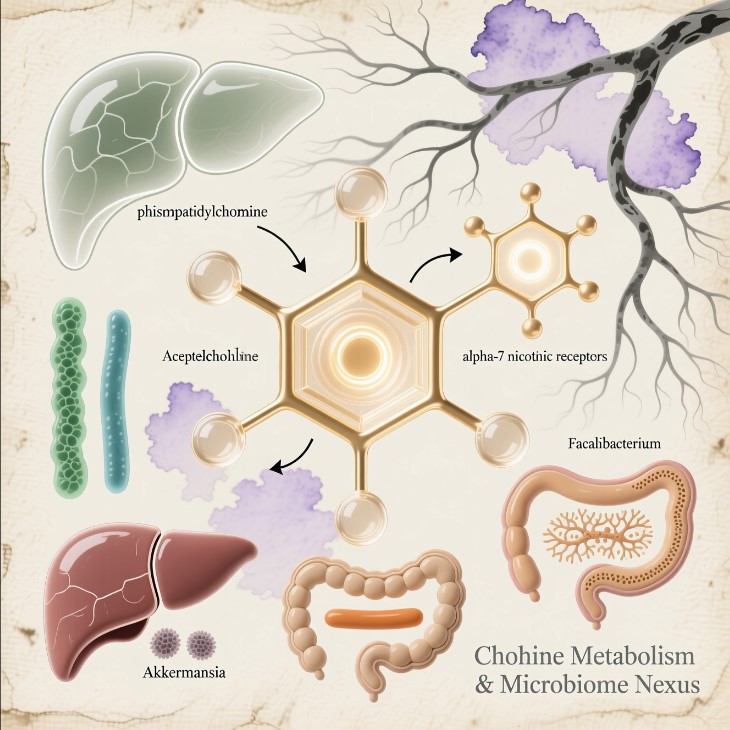
Acetylcholine is central to parasympathetic signalling. Its production depends on choline availability, while its action is mediated through muscarinic and nicotinic receptors.
The α7 nicotinic acetylcholine receptor is particularly relevant to immune regulation through the cholinergic anti-inflammatory pathway.
This creates another intersection between metabolic resources, neural signalling and inflammatory control.
Choline itself participates in several biochemical economies:
- Phosphatidylcholine synthesis and membrane structure.
- Acetylcholine production.
- Betaine production and methyl-group metabolism.
- Sphingomyelin and membrane-related metabolism.
The availability and allocation of choline therefore connect membrane biology, autonomic signalling and one-carbon metabolism.
Sleep introduces another major layer.
The glymphatic system is associated with the movement of cerebrospinal fluid through brain tissue and the clearance of interstitial solutes. Its activity is influenced by sleep state and the organisation of astrocytic water transport, including aquaporin-4.
Meningeal lymphatic pathways provide an additional route for the drainage of central nervous system fluid and immune-related material.
This means that sleep is not merely a period of reduced activity. It is part of the wider organisation of neural maintenance and clearance.
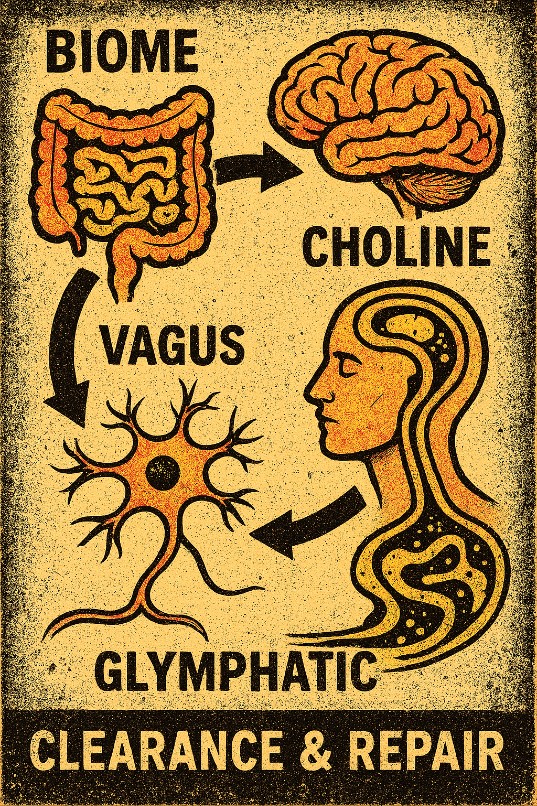
The investigation identified a possible sequence connecting intestinal microbial function, choline metabolism, autonomic signalling, sleep organisation and glymphatic clearance.
The proposed relationship can be represented as:
Microbial function and intestinal signalling → choline and membrane metabolism → acetylcholine and vagal regulation → sleep architecture → glymphatic and meningeal lymphatic clearance.
The sequence is biologically interesting because it brings together systems usually studied in separate disciplines.
It also creates a route through which persistent peripheral inflammatory and metabolic disturbances could interact with central nervous system regulation.
However, the direct causal links between glyphosate exposure, the five upstream beacons and glymphatic dysfunction have not yet been demonstrated as one continuous pathway. That is an important research gap, not a reason to exclude the connection from investigation.
The opportunity is to study the intervening mechanisms rather than assume that the intestine and brain operate independently.
16. The complete convergence map
The investigation began with glyphosate and EPSPS. It expanded because each downstream pathway exposed another shared dependency.
The resulting map can be organised into six connected layers.
Layer 1 — Agricultural and environmental inputs
Glyphosate exposure, crop physiology, soil ecology, food composition and environmental conditions influence the biological inputs entering the food chain.
Layer 2 — Microbial ecosystem
The microbiome transforms dietary substrates through aromatic amino-acid metabolism, indole production, short-chain fatty-acid production, bile-acid transformation, polyamine metabolism and sulfur chemistry.
Layer 3 — Host sensing and regulation
AhR, FXR, TGR5, immune receptors and other signalling systems interpret microbial and host-derived metabolites, influencing epithelial integrity, immune regulation and metabolic responses.
Layer 4 — Intracellular biochemical infrastructure
BH4, NADPH, glutathione, iron, haem, Fe–S clusters, cysteine, folate, B12, SAM and other shared dependencies determine the capacity of cellular pathways to operate and recover.
Layer 5 — Systemic communication
Neurotransmitter metabolism, nitric oxide signalling, choline metabolism, autonomic regulation, vascular function and inflammatory signalling connect local biochemical conditions to wider physiology.
Layer 6 — Sleep, clearance and feedback
Sleep architecture, glymphatic function, meningeal lymphatic drainage, metabolic clearance and immune regulation contribute to the maintenance of the internal environment. Changes in these systems can feed back into the preceding layers.
The entire system is bidirectional.
Environmental conditions influence plants. Plants contribute to the food and substrate environment. Microbial communities transform those inputs. Host cells interpret the resulting chemical signals. Host physiology then changes the conditions experienced by the microbiome.
The system is not a linear chain in which one event produces one outcome. It is a network of coupled biological processes.
17. What the investigation has revealed
The most significant finding is not that one herbicide explains every chronic disease.
It is that an investigation beginning with a specific metabolic target uncovered a series of shared biochemical dependencies linking plant metabolism, microbial ecology and host physiology.
The shikimate pathway supplies chorismate, which supplies the aromatic amino acids and a wide range of plant secondary metabolites.
The same general pathway architecture exists in many microorganisms, creating a plausible microbial target for glyphosate.
Microbial metabolism supplies signalling molecules that influence host receptors, particularly through tryptophan-derived ligands and AhR.
The host’s downstream pathways repeatedly depend on shared cofactors and substrates: NADPH, BH4, iron, haem, Fe–S clusters, glutathione, cysteine, tryptophan, arginine and one-carbon metabolism.
Those dependencies connect neurotransmitter synthesis, nitric oxide production, immune regulation, mitochondrial respiration, sulfur clearance and cellular maintenance.
The same network also offers possible routes connecting intestinal microbial function with autonomic signalling, sleep and central nervous system clearance.
The investigation therefore points towards a broader question:
Could a significant proportion of persistent biological dysfunction be maintained by upstream constraints in the shared biochemical infrastructure that connects microbial ecology to host regulation?
That question moves the focus away from isolated symptoms and towards the conditions that allow biological systems to remain flexible, coordinated and capable of recovery.
It also challenges the habit of studying the microbiome, immune system, metabolism, nervous system and clearance pathways as though they were independent territories.
They are not.
They exchange substrates, cofactors, metabolites and signals continuously.
A disturbance in one area can change the operating conditions of another. Repeated constraints can then produce compensatory states that become increasingly difficult to reverse.
The most productive next step is not to search for one universal molecule or one universal cause. It is to measure the shared dependencies, establish where pathway throughput is constrained, determine how microbial function changes the host’s signalling environment, and investigate whether the resulting feedback loops can maintain a secondary biological state.
The starting question was about glyphosate and the shikimate pathway.
The investigation has led to a much larger biological question: whether the integrity of the microbial ecosystem and the availability of shared upstream biochemical resources are fundamental to the coordination of host biology — from the intestinal barrier to mitochondrial function, autonomic signalling, sleep and cellular clearance.
That is the convergence worth investigating.
Research priorities: where the map needs to go next
The following questions arise directly from the pathway convergence and provide a practical basis for experimental work.
- Plant metabolic profiling: How do glyphosate exposure, crop genotype and growing conditions affect aromatic amino acids and secondary-metabolite profiles in edible crops?
- Microbial sensitivity: Which gut microbial species and functional guilds are sensitive to glyphosate and its formulations, and at what biologically relevant concentrations?
- Microbial function rather than taxonomy: How does exposure alter indole production, short-chain fatty-acid output, bile-acid transformation, polyamine metabolism and sulfur chemistry?
- AhR ligand availability: How do changes in microbial tryptophan metabolism alter the host’s AhR ligand environment, and how does that interact with host kynurenine production?
- BH4 economy: How do de novo synthesis, oxidation, salvage and DHFR-mediated recycling determine BH4 availability across tissues and inflammatory conditions?
- Redox and nitric oxide: How do NADPH availability, glutathione recycling, BH4 balance, haem and NOS coupling interact under sustained metabolic pressure?
- Sulfur handling: How do microbial sulfur transformations influence host cysteine availability, sulfite production, sulfite oxidation and glutathione metabolism?
- Mitochondrial infrastructure: How do iron availability, Fe–S cluster assembly, haem synthesis and mitochondrial respiration respond to chronic inflammatory and metabolic stress?
- Host–microbe communication: Which microbial metabolites have the strongest measurable effects on epithelial, immune, vascular and autonomic signalling?
- Systemic and neural consequences: Can changes in microbial function and host metabolic regulation be linked longitudinally to autonomic function, sleep architecture and markers of central nervous system clearance?
- Persistence and recovery: Which feedback mechanisms maintain an altered host–microbial state after the initiating exposure or pressure has changed?
The central experimental requirement is to move beyond isolated measurements. The relevant variables need to be examined together, over time, with particular attention to pathway flux, metabolite availability, microbial function and the regeneration of shared biochemical dependencies.
Selected scientific literature
- The shikimate pathway: gateway to metabolic diversity. Review, 2024.
- Alteration of plant physiology by glyphosate and its by-product aminomethylphosphonic acid: an overview. Journal of Experimental Botany, 2014.
- Effects of EPSPS Copy Number Variation and Glyphosate Application on the Aromatic and Branched Chain Amino Acid Synthesis Pathways in Amaranthus palmeri. Frontiers in Plant Science, 2017.
- Low-dose glyphosate exposure alters gut microbiota composition and modulates gut homeostasis. 2023.
- Effects of Glyphosate and Glyphosate-Based Herbicides on the Mammalian Gut Microbiome: A Critical Review. Journal of Applied Toxicology, 2026.
- Microbial tryptophan catabolites in health and disease. Nature Communications, 2018.
- Microbial tryptophan metabolites regulate gut barrier function via the aryl hydrocarbon receptor. Review.
- Synthesis and recycling of tetrahydrobiopterin in endothelial function and vascular disease. Review.
- Mitochondria and Iron: Current Questions. Review.
- Consensus guidelines for the diagnosis and management of isolated sulfite oxidase deficiency and molybdenum cofactor deficiencies. 2023.
Research note: This article follows the pathway-discovery sequence from glyphosate and EPSPS through the biochemical convergence map. It distinguishes established biochemical mechanisms and experimental findings from the broader systems-level interpretation and the proposed self-reinforcing secondary biological state. The latter is a testable synthesis that requires integrated experimental validation.
Glyphosate, the Shikimate Pathway, and the Cascading Constraint of Interconnected Human Biochemistry
A systems-level examination of how an upstream agricultural intervention propagates through plant composition, microbial ecology, and a dense network of host metabolic dependencies
The herbicide glyphosate inhibits 5-enolpyruvylshikimate-3-phosphate synthase (EPSPS), the penultimate enzyme of the shikimate pathway. This pathway is absent from animals but present in plants, many bacteria, fungi, and archaea. Its product, chorismate, is the obligatory precursor of the three aromatic amino acids—phenylalanine, tyrosine and tryptophan—and of a wide array of secondary metabolites. When EPSPS is blocked, plants accumulate shikimate and related intermediates while synthesis of aromatic amino acids and downstream products declines. The resulting shift in plant biochemical composition becomes the dietary substrate consumed by animals and humans. Concurrently, residual glyphosate can reach the gastrointestinal lumen, where a subset of microbial EPSPS enzymes remains sensitive. The combined effect is a dual pressure: altered nutrient input from the base of the food chain and selective perturbation of microbial metabolic capacity.
What follows is not a claim that glyphosate is the sole driver of contemporary chronic disease. It is a mechanistic reconstruction, drawn from established enzymology, metabolomic observations, germ-free and colonization studies, and pathway databases, of how an upstream reduction in aromatic amino-acid flux and related cofactor networks can constrain multiple host systems that share substrates, regenerative enzymes and redox-sensitive cofactors. The reconstruction reveals a set of high-leverage bottlenecks—most prominently the tetrahydrobiopterin (BH4) network, mitochondrial iron–sulfur cluster and heme assembly, sulfite detoxification, and aryl-hydrocarbon-receptor (AhR) ligand tone—whose impairment tends to produce self-reinforcing, restricted metabolic configurations.
Upstream: Glyphosate, EPSPS and Plant Biochemistry
Glyphosate binds the active site of EPSPS and prevents the condensation of shikimate-3-phosphate with phosphoenolpyruvate. The immediate metabolic consequences in sensitive plants are well documented: accumulation of shikimate and depletion of chorismate-derived products. Phenylalanine, tyrosine and tryptophan levels fall; so do the phenylpropanoid pathway outputs that depend on them (lignins, flavonoids, certain phytoalexins and signalling molecules). Protein amino-acid profiles shift, free aromatic amino-acid pools contract, and secondary-metabolite diversity is reduced.
Because modern agricultural systems rely heavily on glyphosate-tolerant crops or on glyphosate applied to non-tolerant crops as a desiccant, a substantial fraction of the global plant-derived food supply is produced under conditions of partial or intermittent shikimate-pathway pressure. Even when total protein content appears adequate, the relative availability of the three aromatic amino acids and of the secondary metabolites that normally accompany them can be altered. These changes constitute the first link in the chain: the biochemical quality of the primary producer is modified before the material ever enters an animal or human digestive tract.
Residues and the Microbial Interface
Glyphosate residues are detectable in food and, under some exposure scenarios, reach the intestinal lumen in bioactive form. Computational surveys of human gut metagenomes indicate that the majority of abundant taxa lack a complete, transcriptionally active shikimate pathway and are therefore aromatic-amino-acid auxotrophs under ordinary conditions. A minority of taxa, however, encode class-I (glyphosate-sensitive) EPSPS enzymes. Experimental and observational studies report shifts in community composition, reductions in certain beneficial genera, and alterations in microbial metabolite output after glyphosate exposure, although the magnitude and consistency of these effects remain subjects of active investigation.
Crucially, the microbial community is not merely a passive recipient of residual herbicide. It is an active transformer of host-derived substrates, including the aromatic amino acids that survive digestion, bile acids, and sulfur compounds. Any selective pressure that reduces the abundance or activity of key functional guilds—indole producers, secondary-bile-acid transformers, short-chain-fatty-acid producers, nitrate reducers, or organisms involved in sulfur cycling—alters the chemical signals returning to the host epithelium, immune system and distant tissues.
The Aromatic Amino-Acid Gateway into Host Metabolism
Once absorbed, phenylalanine, tyrosine and tryptophan feed multiple host pathways that are usually studied in isolation.
- Phenylalanine is hydroxylated to tyrosine by phenylalanine hydroxylase (PAH).
- Tyrosine is hydroxylated to L-DOPA by tyrosine hydroxylase (TH), the rate-limiting step of catecholamine synthesis.
- Tryptophan is hydroxylated to 5-hydroxytryptophan by tryptophan hydroxylase (TPH1 in the periphery, TPH2 in the central nervous system), the rate-limiting step of serotonin (and subsequently melatonin) synthesis.
All three hydroxylases belong to the same family of tetrahydrobiopterin-dependent aromatic amino-acid hydroxylases and share absolute requirements for BH4, ferrous iron and molecular oxygen. The same BH4 molecule is an obligate cofactor for all three isoforms of nitric-oxide synthase (NOS). Thus a single regenerative system—BH4 synthesis, salvage and recycling—simultaneously supports catecholamine, serotonin and nitric-oxide production.
Tryptophan is also the substrate for the quantitatively dominant kynurenine pathway, initiated by indoleamine 2,3-dioxygenase (IDO1/2) or tryptophan 2,3-dioxygenase (TDO). Inflammation, particularly interferon-γ, strongly induces IDO, diverting tryptophan away from serotonin synthesis and toward kynurenine, kynurenic acid, quinolinic acid and ultimately de-novo NAD+. The same kynurenine metabolites, together with microbial indoles derived from residual tryptophan, serve as ligands for the aryl hydrocarbon receptor (AhR), a ligand-activated transcription factor that regulates barrier integrity, immune tolerance and oxidative-stress responses.
Shared Regenerative and Biosynthetic Bottlenecks
Several molecules and processes appear repeatedly when these pathways are examined together.
Tetrahydrobiopterin network.
BH4 is synthesised de novo from GTP via GTP cyclohydrolase I (rate-limiting and cytokine-inducible), 6-pyruvoyl-tetrahydropterin synthase and sepiapterin reductase. Oxidised BH2 can be reduced back to BH4 by dihydropteridine reductase or, via the salvage pathway, by dihydrofolate reductase (DHFR)—the same enzyme that reduces dihydrofolate in one-carbon metabolism. Oxidative stress accelerates conversion of BH4 to BH2; the elevated BH2:BH4 ratio promotes NOS uncoupling, generating superoxide rather than nitric oxide and thereby amplifying the original oxidative load. Because DHFR is dual-use, folate status and BH4 regeneration are stoichiometrically linked.
Mitochondrial iron–sulfur cluster and heme assembly.
Mitochondria assemble Fe-S clusters on the ISCU scaffold using sulfur abstracted from cysteine. These clusters are required for the electron-transport chain, aconitase, ferrochelatase (the final enzyme of heme biosynthesis) and numerous other proteins. Heme itself is a prosthetic group of the NOS enzymes, of sulfite oxidase, and of many cytochromes. Impairment of Fe-S or heme biogenesis therefore simultaneously compromises energy production, iron homeostasis and the catalytic capacity of heme-dependent enzymes.
Sulfite oxidase and molybdenum cofactor.
Sulfite generated during cysteine and methionine catabolism is oxidised to sulfate by the mitochondrial molybdenum-dependent enzyme sulfite oxidase. Failure of this step allows neurotoxic sulfite to accumulate. The molybdenum cofactor itself is assembled by a conserved multi-step pathway; experimental systems demonstrate that bacterial Moco can, under certain conditions, support animal sulfite-oxidase activity, illustrating a potential inter-kingdom dependency.
NAD+/NADPH and glutathione systems.
NADPH generated largely by the oxidative pentose-phosphate pathway is required for glutathione reductase, for BH4-related redox cycling, and for NOS catalysis. Glutathione itself depends on cysteine availability, which is in turn influenced by transsulfuration flux from the methionine cycle and by the competing demands of Fe-S cluster synthesis. These redox buffers therefore sit downstream of both one-carbon metabolism and sulfur-amino-acid status.
Arginine and polyamine competition.
Arginine is the common substrate of the nitric-oxide synthases and of the polyamine biosynthetic pathway (via ornithine and ornithine decarboxylase). Elevated arginase activity or high polyamine demand can therefore restrict nitric-oxide production, while polyamine catabolism generates hydrogen peroxide, feeding back into the redox environment.
Convergence Hubs and Feedback Architecture
Two additional nodes integrate signals across compartments.
The aryl hydrocarbon receptor senses both host kynurenine-pathway metabolites and a suite of microbial tryptophan derivatives (indole, indole-3-acetic acid, indole-3-propionic acid, indole-3-aldehyde and others). AhR activation modulates epithelial barrier function, interleukin-22 production, regulatory T-cell tone and antioxidant gene expression. Because the ligand profile is determined by the partitioning of tryptophan between host enzymes and microbial pathways, AhR activity reports the state of the entire tryptophan economy.
Mitochondrial capacity, indexed by Fe-S cluster integrity, heme availability and sulfite-oxidase function, sets an upper bound on the activity of every energy- and redox-dependent process listed above. When mitochondrial output declines, compensatory increases in glycolytic flux, elevated reactive-oxygen-species generation, and further oxidation of BH4 and glutathione tend to ensue.
These relationships generate feedback loops. Inflammatory induction of IDO lowers serotonin precursor availability while raising AhR ligands and NAD+ demand. Oxidative consumption of BH4 uncouples NOS, increasing superoxide and further depleting BH4. Reduced secondary-bile-acid production (itself dependent on microbial 7α-dehydroxylation) diminishes a stimulus for colonic serotonin synthesis. Constrained Fe-S assembly limits both respiratory-chain function and ferrochelatase activity, reducing heme for NOS and other enzymes. Each loop, once closed, tends to stabilise a restricted operating state characterised by lower metabolic flexibility, higher correction cost, and persistence of the same configuration across time and tissues.
Secondary Biology That Becomes Self-Sustaining
Under sustained upstream pressure—whether from chronically altered aromatic-amino-acid supply, residual microbial inhibition, elevated inflammatory tone, or micronutrient limitation—the network does not simply scale down proportionally. It reconfigures. Tryptophan is preferentially routed through IDO; BH4 is maintained at a lower steady-state ratio of reduced to oxidised forms; nitric-oxide production declines relative to superoxide; glutathione and NADPH are consumed at higher rates to defend against the elevated oxidant load; and the microbial community shifts toward taxa less capable of supplying the original spectrum of beneficial metabolites.
The resulting state is self-reinforcing: the same restricted set of pathways continues to dominate because the regenerative capacity required to reopen alternative routes has itself been compromised. This is observable as persistent elevations of kynurenine-to-tryptophan ratios, altered BH4/BH2 ratios, elevated asymmetric dimethylarginine relative to arginine, reduced secondary-bile-acid diversity, and metabolomic signatures of constrained one-carbon and redox capacity across multiple clinical cohorts. The configuration can be maintained with relatively modest ongoing input once the feedback loops are established.
Implications Across Physiological Domains
Because the same cofactors and substrates serve neurotransmission (serotonin, catecholamines), vascular signalling (nitric oxide), immune regulation (AhR, IDO, kynurenine metabolites), energy metabolism (NAD+, Fe-S clusters, heme), and cellular clearance (glutathione, autophagy-related polyamines), a constraint at the shared nodes propagates into domains that are conventionally treated as separate research silos. Neurological, gastrointestinal, cardiovascular, metabolic and chronic-inflammatory phenotypes can therefore share overlapping biochemical signatures even when the initiating insults differ.
The observation does not imply that every patient with any of these conditions has been exposed to high levels of glyphosate, nor that restoration of any single molecule will reverse established disease. It does imply that research programmes focused exclusively on one pathway will continue to encounter unexplained variance until the shared regenerative and biosynthetic dependencies are measured and modelled simultaneously.
Research Priorities Suggested by the Biochemistry
Priority measurements include simultaneous quantification of aromatic amino acids, BH4/BH2 ratios, folate intermediates, kynurenine-pathway metabolites, microbial indoles, secondary bile acids, glutathione redox state, Fe-S cluster markers, and sulfite/sulfate ratios under controlled dietary and inflammatory challenges. Interventional studies that manipulate multiple nodes at once—aromatic-amino-acid availability, redox support, molybdenum status, and microbial functional guilds—while tracking the integrated metabolite network are more likely to reveal causal structure than single-agent trials. Finally, agricultural and food-composition research that reports not only total protein but the full profile of free and protein-bound aromatic amino acids, secondary metabolites, and residual herbicide under real-world application regimes would close the upstream data gap.
The chemistry itself is not controversial. The enzymes, cofactors and stoichiometric relationships have been mapped for decades. What has been missing is the systematic tracing of how an upstream reduction in chorismate-derived flux, compounded by microbial and host regenerative constraints, can propagate through a densely interconnected network and stabilise a lower-flexibility metabolic regime. That propagation is now visible. The remaining task is to quantify its contribution under contemporary dietary and environmental conditions and to test whether deliberate restoration of the shared regenerative capacity can reopen the restricted routes.
Glyphosate, Chorismate, and the Propagation of Metabolic Constraint Across Interconnected Human Biochemistry
A systems-level reconstruction of how inhibition of an upstream plant pathway cascades through nutrient composition, microbial ecology, and a network of shared host cofactors and regenerative systems
Chorismate: The Upstream Branch Point
The shikimate pathway converts erythrose-4-phosphate and phosphoenolpyruvate into chorismate, the last common precursor of the aromatic amino acids and of numerous secondary metabolites. In plants and many microbes the pathway culminates in the condensation of shikimate-3-phosphate with phosphoenolpyruvate, catalysed by 5-enolpyruvylshikimate-3-phosphate synthase (EPSPS). Glyphosate occupies the phosphoenolpyruvate-binding site of EPSPS, blocking chorismate formation.
Chorismate sits at a critical metabolic fork. In plants and microbes it is partitioned into several essential branches:
- Phenylalanine and tyrosine (via prephenate)
- Tryptophan (via anthranilate)
- Folate precursors (para-aminobenzoate)
- Ubiquinone and other quinones
- A wide array of secondary metabolites (phenylpropanoids, alkaloids, phytoalexins, signalling molecules)
When EPSPS is inhibited, chorismate supply falls. The immediate consequences are accumulation of shikimate intermediates and depletion of all chorismate-derived products. Protein amino-acid profiles shift, free pools of phenylalanine, tyrosine and tryptophan contract, and secondary-metabolite diversity declines. This altered plant biochemistry becomes the dietary input for animals and humans. Residual glyphosate can simultaneously reach the gut lumen, where a subset of microbial EPSPS enzymes remains sensitive, adding selective pressure on microbial community composition and metabolic output.
The net result is a dual upstream constraint: reduced delivery of aromatic amino acids and related metabolites from the food supply, and potential disruption of microbial functional guilds that normally transform those substrates or generate complementary signals.
From Chorismate-Derived Amino Acids into Host Pathways
Once absorbed, the three aromatic amino acids feed host pathways that are conventionally studied in separate silos yet share cofactors, regenerative systems and regulatory logic.
Phenylalanine → tyrosine → catecholamines
Phenylalanine hydroxylase (PAH) converts phenylalanine to tyrosine. Tyrosine hydroxylase (TH) then converts tyrosine to L-DOPA, the committed step of dopamine, norepinephrine and epinephrine synthesis. Both PAH and TH require tetrahydrobiopterin (BH4), ferrous iron and molecular oxygen.
Tryptophan → serotonin / melatonin
Tryptophan hydroxylase (TPH1 peripherally, TPH2 in the central nervous system) converts tryptophan to 5-hydroxytryptophan, the rate-limiting step of serotonin synthesis. The same BH4, iron and oxygen requirements apply. Serotonin is further converted to melatonin in the pineal gland and certain peripheral cells.
Tryptophan → kynurenine pathway → NAD+ and AhR ligands
The quantitatively dominant route of tryptophan catabolism is the kynurenine pathway, initiated by indoleamine 2,3-dioxygenase (IDO1/2) or tryptophan 2,3-dioxygenase (TDO). Inflammation, especially interferon-γ, induces IDO, diverting tryptophan away from serotonin. Downstream metabolites include kynurenine, kynurenic acid, 3-hydroxykynurenine, quinolinic acid and ultimately de-novo NAD+. Several of these metabolites, together with microbial indoles derived from residual tryptophan, activate the aryl hydrocarbon receptor (AhR).
All three aromatic-amino-acid hydroxylases and all three nitric-oxide synthase isoforms share an absolute requirement for BH4. Thus a single regenerative network simultaneously supports catecholamine synthesis, serotonin synthesis and nitric-oxide production.
Shared Regenerative and Biosynthetic Bottlenecks
Several molecules and processes appear repeatedly when these pathways are examined at systems level.
Table 1. High-leverage shared cofactors and regenerative systems
| Molecule / System | Primary roles across pathways | Vulnerability / bottleneck mechanism |
|---|---|---|
| BH4 (tetrahydrobiopterin) | Cofactor for PAH, TH, TPH1/2, all NOS isoforms | Oxidative conversion to BH2; competition for DHFR with folate cycle; GTPCH cytokine regulation |
| Ferrous iron / Fe-S clusters | Hydroxylases, NOS heme, electron-transport chain, aconitase, ferrochelatase | Impaired mitochondrial Fe-S assembly limits energy, heme and multiple enzymes |
| Heme | NOS isoforms, sulfite oxidase, cytochromes, catalase | Dependent on Fe-S-containing ferrochelatase; mitochondrial capacity |
| NADPH | Glutathione reductase, BH4-related redox, NOS catalysis, biosynthetic reductions | Primarily supplied by oxidative pentose-phosphate pathway |
| Glutathione (GSH) | Major cellular redox buffer, detoxification, cysteine reservoir | Cysteine availability competed by Fe-S synthesis, transsulfuration, protein synthesis |
| NAD+ / NADH | Redox cofactor, substrate for sirtuins and PARPs; de-novo synthesis from kynurenine | Demand rises under stress; supply linked to tryptophan partitioning |
| Molybdenum cofactor (Moco) | Sulfite oxidase (sulfite → sulfate) | Sulfite accumulation is neurotoxic; potential inter-kingdom dependency |
| Folate / one-carbon intermediates | Methylation, nucleotide synthesis, BH4 salvage via DHFR | Dual use of DHFR links folate status directly to BH4 regeneration |
| Arginine | NOS substrate; polyamine synthesis via ornithine | Competition between nitric-oxide and polyamine pathways |
| Selenium | Deiodinases, glutathione peroxidases | Thyroid hormone activation and peroxide detoxification |
Table 2. Chorismate-derived flux: normal versus constrained states
| Node | Normal / flexible state | Constrained / restricted state |
|---|---|---|
| Plant chorismate supply | Adequate aromatic amino acids + secondary metabolites | Reduced free and protein-bound Phe/Tyr/Trp; lower secondary-metabolite diversity |
| Host tryptophan partitioning | Balanced flow to serotonin, kynurenine, microbial indoles | Inflammation-driven IDO dominance; low serotonin precursor availability |
| BH4 status | High BH4:BH2 ratio; efficient recycling | Oxidative loss; elevated BH2; NOS uncoupling |
| Nitric-oxide production | Coupled NOS activity | Uncoupled NOS → superoxide; reduced signalling NO |
| Mitochondrial Fe-S / heme | Intact assembly supporting ETC and heme enzymes | Impaired cluster assembly → energy deficit + reduced heme-dependent capacity |
| Microbial functional output | Diverse indoles, secondary bile acids, SCFAs, polyamines | Loss or reduction of key guilds; altered ligand and signalling profile |
| AhR ligand tone | Balanced host + microbial ligands | Shifted ligand spectrum; altered barrier and immune set-points |
| Overall metabolic flexibility | Multiple open routes; low correction cost | Persistent restricted configuration; high cost to reopen alternatives |
Propagation Through Host Systems
The constrained state does not remain localised. Because the same cofactors serve neurotransmission, vascular signalling, immune regulation, energy metabolism and redox buffering, impairment at the shared nodes produces overlapping signatures across domains.
- Reduced BH4 availability simultaneously limits dopamine and serotonin synthesis while promoting NOS uncoupling.
- Diverted tryptophan lowers serotonin and melatonin while raising kynurenine-pathway metabolites that activate AhR and supply NAD+ under stress.
- Impaired Fe-S and heme assembly reduces respiratory-chain capacity and the catalytic potential of heme-dependent enzymes, including NOS and sulfite oxidase.
- Elevated demand on glutathione and NADPH for oxidant defence further strains cysteine and pentose-phosphate resources.
- Microbial shifts reduce production of secondary bile acids (which normally stimulate colonic serotonin synthesis) and of beneficial indoles and short-chain fatty acids that support barrier and metabolic signalling.
These relationships generate reinforcing loops. Inflammatory IDO induction lowers serotonin precursor while increasing AhR ligands. Oxidative BH4 consumption uncouples NOS and amplifies superoxide. Reduced secondary-bile-acid output diminishes a physiological stimulus for serotonin synthesis. Declining mitochondrial capacity raises baseline oxidant production, further taxing BH4 and glutathione. Once established, the restricted configuration can be maintained with relatively modest ongoing pressure because the regenerative capacity required to restore alternative routes has itself been compromised.
Secondary Biology That Becomes Self-Sustaining
Under sustained upstream limitation of chorismate-derived inputs, compounded by residual microbial effects and host inflammatory or redox stress, the network reconfigures rather than simply scaling down. Tryptophan is preferentially routed through IDO; BH4 is maintained at a lower reduced-to-oxidised ratio; nitric-oxide production declines relative to superoxide; glutathione and NADPH turnover accelerate; and the microbial metabolite profile shifts.
The resulting state is characterised by lower metabolic flexibility, elevated correction cost, and a tendency to reproduce the same restricted pattern across time and tissues. Metabolomic and clinical observations consistent with elements of this configuration—elevated kynurenine-to-tryptophan ratios, altered BH4 redox status, reduced secondary-bile-acid diversity, and signatures of constrained one-carbon and redox capacity—appear across multiple cohorts, although the quantitative contribution of any single upstream factor remains to be established under real-world conditions.
Implications and Research Priorities
The enzymology summarised here is not speculative. The requirements of the aromatic-amino-acid hydroxylases for BH4 and iron, the dual use of DHFR, the mitochondrial localisation of Fe-S assembly and sulfite oxidase, the ligand specificity of AhR, and the microbial transformation of tryptophan and bile acids are established biochemistry. What has been under-emphasised is the stoichiometric and regulatory coupling among these systems and the consequent capacity of an upstream reduction in chorismate flux to propagate constraint through multiple physiological domains.
Research programmes that measure single pathways in isolation will continue to encounter unexplained variance. Priority should be given to simultaneous quantification of aromatic amino acids, BH4/BH2 ratios, folate intermediates, kynurenine-pathway and microbial indole metabolites, secondary bile acids, glutathione redox state, Fe-S markers and sulfite/sulfate ratios under controlled dietary, microbial and inflammatory conditions. Interventional designs that address multiple shared nodes concurrently—aromatic-amino-acid availability, redox and BH4 support, molybdenum status, and microbial functional capacity—are more likely to reveal causal structure than single-agent approaches. Upstream, agricultural and food-composition studies that report the full profile of free and protein-bound aromatic amino acids, secondary metabolites and residual herbicide under realistic application regimes would close a critical data gap.
The chemistry forms a coherent, densely interconnected network. Chorismate sits at its agricultural origin; BH4 regeneration, mitochondrial Fe-S/heme assembly, sulfite detoxification and AhR ligand tone sit at its principal host bottlenecks. When flux through the origin is reduced and the bottlenecks are stressed, a restricted, self-reinforcing metabolic regime can emerge. Quantifying the contribution of this regime under contemporary conditions, and testing whether deliberate restoration of shared regenerative capacity can reopen alternative routes, constitutes a tractable and high-value research agenda.
BH4 as a Central Regenerative Bottleneck in Aromatic Amino-Acid and Nitric-Oxide Biochemistry
Tetrahydrobiopterin is not merely another cofactor. It is a high-leverage regenerative node that simultaneously gates catecholamine synthesis, serotonin synthesis, and nitric-oxide production, while remaining tightly coupled to cellular redox state and one-carbon metabolism. Its centrality becomes evident only when the pathways that depend on it are examined together rather than in isolation.
The three aromatic amino-acid hydroxylases—phenylalanine hydroxylase, tyrosine hydroxylase, and the two isoforms of tryptophan hydroxylase—all require BH4 as an obligate cofactor, together with ferrous iron and molecular oxygen. The same molecule is required by all three nitric-oxide synthase isoforms. Consequently, any sustained reduction in BH4 availability or shift in the BH4:BH2 ratio constrains dopamine and norepinephrine production, serotonin (and downstream melatonin) production, and endothelial, neuronal, and inducible nitric-oxide signalling at the same time. No other single small molecule sits at this precise intersection.
BH4 availability is itself the product of three interlocking processes: de-novo synthesis from GTP (rate-limited by GTP cyclohydrolase I, which is cytokine-inducible), salvage via sepiapterin and dihydrofolate reductase, and recycling after use by the hydroxylases (via pterin-4a-carbinolamine dehydratase and dihydropteridine reductase). Critically, dihydrofolate reductase is the same enzyme that reduces dihydrofolate in the folate cycle. BH2 and dihydrofolate therefore compete for the same reductase capacity. Folate status and BH4 regeneration are stoichiometrically linked.
Oxidative stress converts BH4 to BH2. Elevated BH2 competes with BH4 for binding to nitric-oxide synthase; when BH2 occupies the site, the enzyme uncouples and reduces oxygen to superoxide rather than generating nitric oxide. The resulting increase in superoxide further oxidises remaining BH4, creating a self-amplifying loop. What begins as a modest shift in redox balance can therefore progress to simultaneous impairment of monoamine synthesis and nitric-oxide signalling, accompanied by a rise in oxidant load.
This architecture explains why BH4 status functions as a systems-level constraint. Upstream reductions in aromatic amino-acid supply (whether from altered plant composition after shikimate-pathway inhibition or from microbial competition) increase the relative importance of efficient BH4-dependent conversion of the remaining substrate. Inflammatory induction of GTP cyclohydrolase I may initially raise de-novo synthesis, yet the same inflammatory milieu elevates oxidative pressure that consumes BH4 and favours uncoupling. Demand for NADPH and glutathione to defend against the resulting oxidants further strains the reductive capacity needed to keep BH4 in its active form. The node is therefore sensitive to substrate supply, inflammatory tone, redox balance, and one-carbon status simultaneously.
The consequences propagate. Limited tyrosine hydroxylation reduces catecholamine tone. Limited tryptophan hydroxylation reduces serotonin and melatonin. Uncoupled nitric-oxide synthase lowers signalling nitric oxide while raising peroxynitrite and superoxide. Mitochondrial function, already dependent on intact iron–sulfur clusters and heme (themselves iron- and redox-sensitive), faces an additional oxidant burden. The restricted configuration tends to persist because restoration of BH4 requires concurrent relief of oxidative pressure, adequate folate-cycle capacity, and sufficient GTP and reducing power—resources that are themselves compromised in the restricted state.
BH4 is therefore not a peripheral detail in any one pathway. It is a shared regenerative bottleneck whose status reports, and in part determines, the functional capacity of multiple high-value physiological systems at once. Measuring BH4 and BH2 in isolation from redox markers, folate intermediates, aromatic amino-acid levels, and nitric-oxide signalling underestimates its role. Conversely, recognising its position at the convergence of substrate supply, inflammatory regulation, and cellular redox control clarifies why apparently separate domains—monoamine neurotransmission, vascular function, and oxidative balance—so often move together.
Understanding this node is essential for any systems-level account of how upstream changes in aromatic amino-acid availability and redox environment can produce coordinated, self-reinforcing constraints across neurotransmission, vascular signalling, and cellular energetics.